
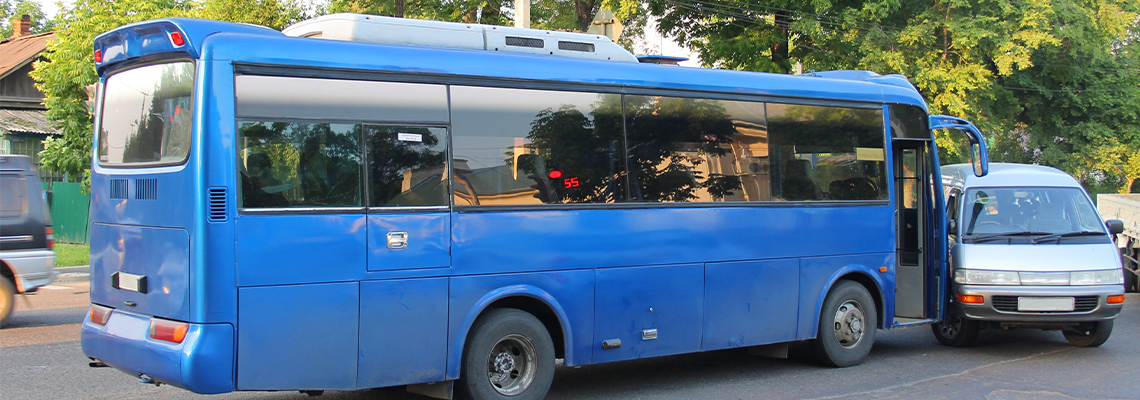
How Bus Company Negligence Contributes to Passenger Injury Cases
Bus passengers usually have little control over the choices that shape a safe trip. They don't select the driver, inspect the vehicle, or decide whether the bus should remain in service. When a crash, sudden stop, onboard fall, or mechanical failure leaves a passenger hurt, the legal claim often turns on whether the bus company's conduct played a part in creating the danger. With that foundation in place, it's helpful to examine how a bus company's choices can shape the course of a passenger injury case.
At G. Aldrich Law, we represent injured Californians in matters that require a close look at company conduct, vehicle condition, and passenger safety. From our offices in Woodland Hills and Lakeport, California, we serve clients in Lake County, Los Angeles County, Colusa County, Riverside County, Shasta County, Mendocino County, Humboldt County, Yolo County, Tehama County, Glenn County, Butte County, Ventura County, and San Bernardino County. Schedule a consultation today.
Bus Company Decisions Often Shape Injury Claims
A bus accident claim doesn't always center only on the driver. A company has played a direct part in the events leading up to the injury through hiring decisions, maintenance practices, scheduling pressure, or failures in day-to-day oversight. A passenger has been injured in a collision, but liability can begin well before the bus ever leaves its stop or terminal.
That broader review is important in passenger injury cases because bus companies often control the systems behind the trip. They decide who operates the vehicle, how frequently the bus is inspected, and whether a vehicle stays in service despite safety concerns. Then the claim often becomes a closer review of the specific forms of negligence involved.
Negligence Can Appear in More Than One Form
Bus company negligence isn't limited to a single type of mistake. A passenger injury case involves unsafe driving, but also poor upkeep, weak supervision, or business decisions that prioritize convenience or scheduling over safety. In many claims, the conduct under review includes several related issues, and those issues often include:
Unsafe hiring practices: A company may be held accountable if it puts a driver on the road without proper screening, training, or adequate review of prior driving issues.
Inadequate driver supervision: Liability questions arise when a company fails to address known safety concerns, repeated complaints, or warning signs tied to a driver's conduct.
Poor vehicle maintenance: Brake problems, worn tires, steering trouble, broken handrails, faulty doors, or other mechanical issues point to neglect in inspection or repair.
Unreasonable scheduling pressure: Tight routes and unrealistic time demands contribute to speeding, abrupt stops, driver fatigue, or rushed decisions in traffic.
Unsafe boarding and exit conditions: A passenger is hurt because the company failed to maintain steps, assist with safe entry, or provide a reasonably safe drop-off location.
Each of these issues can affect how fault is argued after an injury. A sudden stop first looks like a driving problem, yet the claim grows to include poor oversight or a bus that shouldn't have been on the road at all. Once negligence is viewed through that wider lens, the next question concerns the records that show how the company operated before the incident.
Company Records Can Affect Liability Disputes
Passenger injury claims often hinge on records the injured person does not already possess. Bus companies control key documents that can reveal prior vehicle issues, a driver’s safety history, or whether route conditions posed risks that were not properly addressed.
For that reason, these claims often involve a detailed review of records that shed light on how the bus was operated and maintained, including:
Driver qualification files: These materials show training history, licensing issues, prior incidents, and whether the company reviewed the driver's background before assigning routes.
Maintenance and inspection records: These documents reveal recurring mechanical issues, missed repairs, delayed service, or patterns indicative of poor upkeep.
Incident and complaint reports: Prior reports help show whether the company had notice of dangerous conditions, unsafe conduct, or recurring passenger safety concerns.
Route and scheduling records: These materials help explain whether time pressure, staffing shortages, or route demands affected safe operation.
Surveillance and onboard video: Video shows passenger movement, driver actions, roadway events, and the sequence leading up to the injury.
Those records can shape both liability and credibility. A company denies prior knowledge of a problem, yet its own documents tell a different story about repairs, complaints, or supervision.
Once the paper trail and video evidence begin to fill in the timeline, the discussion often shifts from company conduct to the passenger's position in the case and how that affects the right to pursue compensation.
Passenger Status Doesn’t Eliminate a Right to File a Claim
Passengers are rarely in a position to prevent the core safety failures that cause bus injuries. They don't control the speed of the bus, the condition of the brakes, the maintenance schedule, or the driver's training. That can matter in a claim because the injured person has done little more than board the bus, take a seat, stand in a designated area, or prepare to exit when the injury happened.
Even so, passenger injury cases can still involve disputes over fault. A bus company or insurer argues that a passenger was standing when seated travel was safer, failed to hold a rail, moved through the aisle at the wrong time, or ignored instructions. California fault rules can make those arguments relevant, but they don't automatically defeat a claim.
A passenger still has a valid case when the larger source of danger came from negligent operation, poor maintenance, or unsafe company practices. From there, the claim usually turns to the losses tied to the injury and the legal steps available after the incident.
How Compensation Factors in How the Claim Is Built
A bus passenger injury can lead to losses that last well beyond the day of the accident. Medical bills begin with emergency care and continue through follow-up treatment, therapy, medication, or mobility support. Time away from work, pain during daily activity, and changes in routine can all become part of the claim when the injury affects how a person lives.
Building that claim often requires more than showing that an injury occurred on a bus. The injured person needs to connect the harm to the company's conduct, respond to fault-based arguments, and present evidence that clearly shows liability and losses. Insurance carriers dispute the seriousness of the injury or argue that the incident was unavoidable.
Consult Our Experienced Attorney Today
If you were hurt as a bus passenger, the claim involves more than the actions of the driver alone. We represent injured people in California in cases involving bus company negligence, disputed liability, and passenger injury losses.
From our offices in Woodland Hills and Lakeport, California, we serve clients in Lake County, Los Angeles County, Colusa County, Riverside County, Shasta County, Mendocino County, Humboldt County, Yolo County, Tehama County, Glenn County, Butte County, Ventura County, and San Bernardino County. Reach out to our attorney at G. Aldrich Law today.